What Pet Owners Should Know About Cannabis-Derived Pet Products
The first time I saw a dog treat labeled with cannabinoids on the shelf, I did a double take. I have spent years studying how plant compounds affect the body, and the idea of giving something cannabis-related to a pet felt counterintuitive. But after talking with a veterinarian who specializes in nutraceuticals and watching my own anxious rescue dog respond to a low-dose CBD chew, I changed my mind.
There is a real difference between products made for human consumption and those created specifically for pets. The growing market for cannabis-derived pet products is not about getting your dog high. It is about using specific compounds - mostly CBD and other non-psychoactive cannabinoids - to support pet wellness in targeted ways. Joint health, anxiety relief, and general comfort are the main goals, and the science is surprisingly solid.
How These Products Differ from Human Cannabis Items
When you walk into a store like Kush Station, you see separate sections for edibles, concentrates, mushrooms, and pet health. That separation exists for good reason. Human products often contain THC in amounts that could harm a small animal. The cannabis-derived pet products on the market are formulated with negligible THC levels, relying instead on CBD and other minor cannabinoids that do not produce a psychoactive effect.
I remember a customer at a local shop who tried giving her cat a tiny piece of a human CBD gummy. The cat became lethargic and drooled for hours. It scared her enough to call the vet. That is the kind of mistake that happens when people assume all cannabinoid products are interchangeable. The pet-specific formulations are dosed by weight, tested for purity, and often combined with other supportive herbs or nutraceuticals like glucosamine or chamomile.
What Conditions Do Pet Owners Treat with These Products?
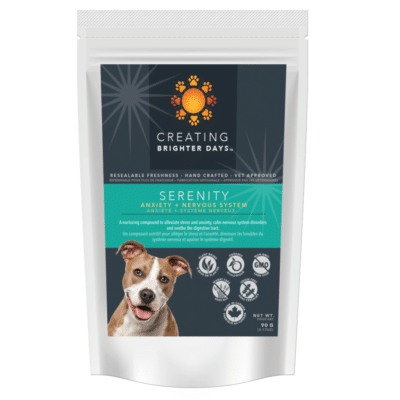
Most of what I see falls into a few categories. Anxiety relief is the biggest one. Dogs with separation anxiety, noise phobias from thunderstorms, or general nervousness seem to respond well to CBD isolate. A friend of mine uses a lab-tested tincture for her older Labrador before car rides. The dog still gets excited but no longer drools constantly or paces.
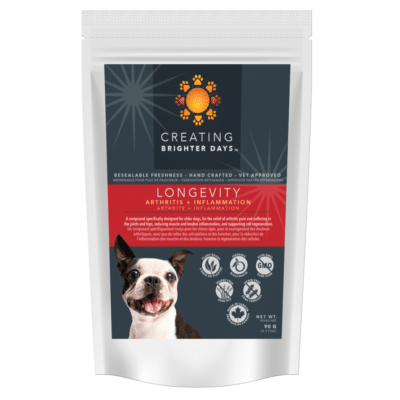
Joint health is another common use. Aging pets, especially large breed dogs, develop stiffness and discomfort. Topicals designed for pets - things like balms or oils that you rub onto the coat - can provide localized support without needing to ingest anything. I have also seen success with cats, though cats are notoriously picky about what they eat. A few drops of a tincture mixed into wet food often works better than a treat.
There is also a growing interest in using these products for general pet wellness, not just acute problems. Owners who are already into organic living and holistic health for themselves want the same for their animals. They look for products that are organic, lab-tested, and free from synthetic additives. The best brands provide a clear dosing guide and certificate of analysis from a third party.
The Biphasic Effect and Why Dosing Matters
One of the most important things I have learned is that cannabinoids do not follow a simple linear dose-response curve. For many animals, there is a biphasic effect. That means a low dose may produce a calm, relaxed state, while a higher dose can cause sedation or even gastrointestinal upset. This is why a proper dosing guide is critical.
When I started using a low-dose CBD chew for my own dog, I began with half the recommended amount for her weight. That first dose did nothing visible. The second day I used the full recommended amount and saw a noticeable difference in her reactivity to the doorbell. The biphasic nature of these compounds means you cannot just eyeball it. You have to start low, observe, and adjust slowly.
Veterinarians I have spoken with emphasize that the optimal dose for a 10-pound cat is vastly different from what a 60-pound dog needs. Some products are designed for all species, but most work best when matched to the animal's size and the specific condition being addressed. A good brand will list weight ranges on the label, not just "one treat per day."
Lab-Tested Quality and the Role of Organic Ingredients
Not all cannabis-derived pet products are created equal. Because the market is still relatively new, regulation can be patchy. I have seen products that claim to contain 10 mg of CBD but actually have less than half that amount. Others contain residual solvents or heavy metals from poor extraction methods.
This is where lab testing becomes essential. A reputable manufacturer will have every batch analyzed by an independent lab and make those reports available. They will also use organic hemp as the starting material. Hemp is a bioaccumulator, meaning it pulls contaminants from the soil. If the hemp is not organically grown, your pet ends up ingesting whatever was in that ground.
I personally will not use a product unless I can see the certificate of analysis. It should show the exact levels of CBD, THC (which should be below 0.3% for pet products), and any other cannabinoids present. It should also test for pesticides, mold, and heavy metals. That level of transparency is rare in the broader supplement world but is becoming standard among top pet brands.
How to Choose the Right Form for Your Pet
Form matters a lot when it comes to compliance. A dog that will scarf down any treat is easy. But many pets are picky or suspicious of new tastes. Here are the common forms I have seen work well:
- Dog treats - These are the most popular. They are easy to dose and usually have a flavor that masks the hemp taste, like peanut butter or chicken.
- Tinctures - Liquid extracts you can add to food or squirt directly into the mouth. They allow for precise dosing and work for cats and small dogs.
- Topicals - Balms and oils applied to the skin. Good for localized joint issues or skin conditions. They should not be licked off, so application timing matters.
- Soft chews - Chewable tablets that are often combined with other nutraceuticals like glucosamine or turmeric.
- Capsules - Hard capsules that can be hidden in a pill pocket or mixed into wet food. Less common but useful for pets that avoid strong flavors.
I have seen the best results with tinctures for cats and with dog treats for dogs. Topicals are hit or miss depending on how much your pet tolerates having something rubbed onto them. The key is to pick a form that matches your pet's personality and your own consistency.
Safety Considerations and the Role of Your Veterinarian
No article about cannabis-derived pet products would be complete without a strong safety warning. While CBD and other non-psychoactive cannabinoids are generally well-tolerated, there are situations where they are not appropriate. Pets with liver disease, kidney issues, or certain medications that interact with the cytochrome P450 enzyme system may have trouble metabolizing these compounds.
I always recommend having a conversation with your veterinarian before starting any new supplement, especially if your pet is on prescription medication. Some vets are still cautious because they lack experience with these products. But more are becoming informed as the science piles up. You can help by bringing in the lab report and dosing guide from the product you are considering.
Another safety point is storage. These products look and smell like regular treats. If left out, a dog might eat an entire bag. That could lead to a sedation or digestive upset. Store them in a cabinet or high shelf, just as you would with any medication.

The Future of Pet Wellness and Cannabinoids
The field is moving fast. I have seen new products come out that combine CBD with other cannabinoids like CBG or CBN for specific effects. There are also products that use mushrooms - not the psychedelic kind but functional mushrooms like reishi or lion's mane - alongside hemp extracts. The combination of cannabinoids and nutraceuticals is becoming more sophisticated.
Kush Station is one of the retailers that carries a curated selection of these items, and their pet section reflects the same emphasis on quality and transparency that you would expect from their human product lines. It is a good sign when a store treats pet health with the same seriousness as human health.
For anyone considering cannabis-derived pet products for their own animal, the advice I give is simple. Start with a low dose from a lab-tested, organic brand. Observe your pet's behavior and energy levels over a few days. Talk to your veterinarian. And do not expect miracles - these are supplements, not cures. But when used thoughtfully, they can make a real difference in quality of life for both you and your pet.